

"What would your mother say?": A Personal Dedication in Work and Life
- Paul Nicholson
- Aug 12
- 4 min read

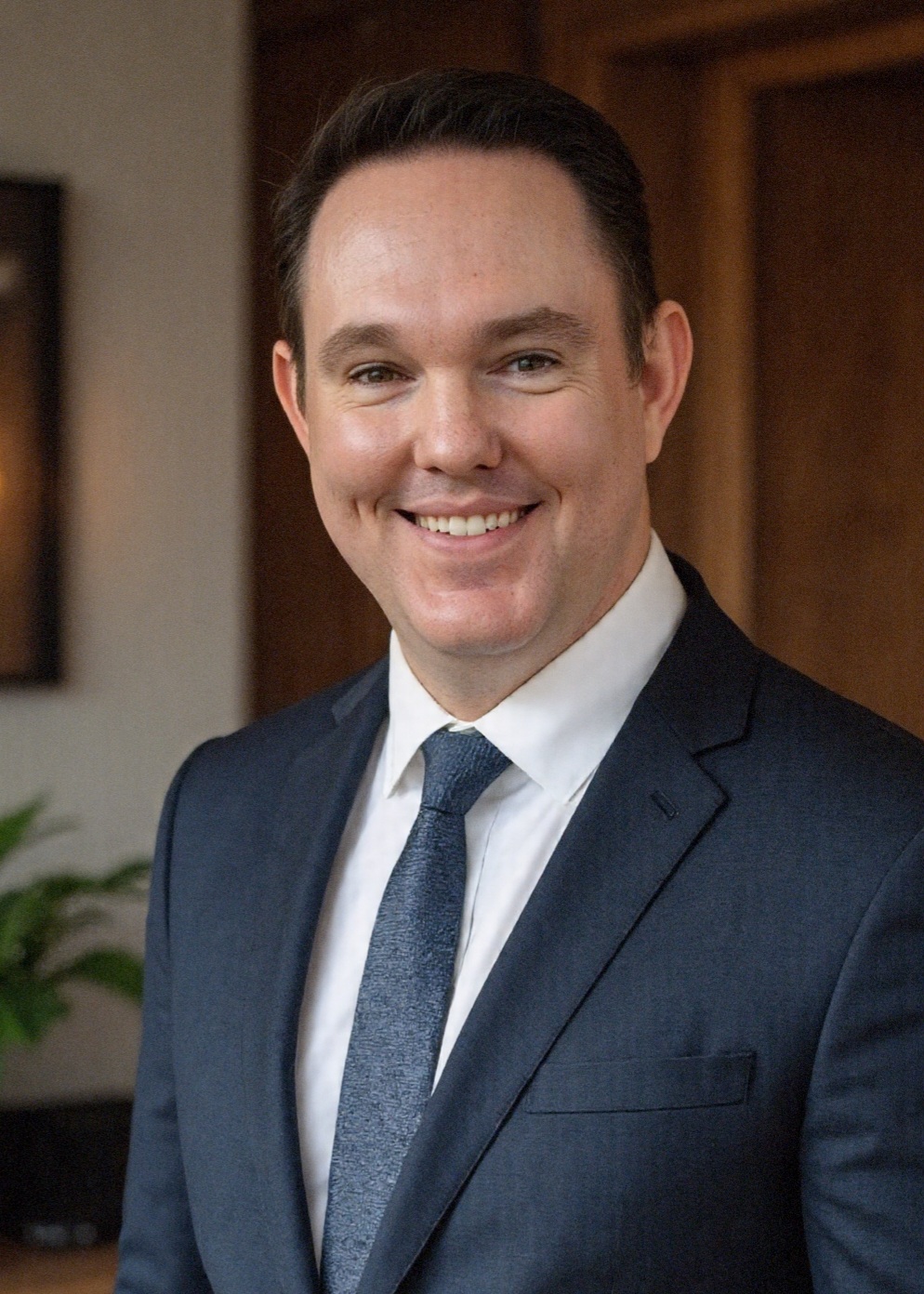
We've all heard it when our behaviour wasn't up to expectations as children: "What would your mother say?" Having lost my mother unexpectedly a few months ago, her voice is present, and absent, as Fermata Workplace Solutions launches in August 2025.
When I think of my mother's influence on my career and her approach to conflict in the workplace, volunteering or among her kids, it's remarkable how consistently she was able to defuse serious conflict. During one memorable cottage week, my wife, sister, and other family members created a whiteboard list of boardgames to track how many games each person won. A few days in, mom noticed some of the family being left out of the winner's column. When we got to the end of the next boardgame, and a winner was to be tallied, there was a new column added: the Kindness list.
Mom countered our cutthroat competition over dominos and Scattergories with a tally of who was being kind - and she was the one marking fence-posts on the board. She didn't thump anyone with a ladel, but the stinging effect on us was the same (even as adults) to get back to what really mattered and stop vying for boardgame supremacy.
That appeal to 'what our mothers would say' calls out to the piece of us that Plato called the third part of the soul. In The Republic, Socrates and two young Athenians mused over the just city - and we could re-envision the dialogue as an exploration of the 'just organization'. The third part of the soul doesn't attempt to maximize pleasure, leisure, and gain, nor to rationally calculate. It self-reflects and seeks a better version of ourselves against some higher standard. This part of the soul also make us vulnerable to 'righteous anger'. Plato called this part of the soul thymos.
When we feel the pride or shame of 'what mom would think', it's the same part of the psyche that motivates soldiers (but not mercenaries) to risk their lives or to volunteer long hours for a service club to put on a meaningful event. The social glue and higher principles of mom's blessing fall in with concepts like union solidarity or brothers-in-arms. It's a powerful force to motivate, unite, and due to that righteousness it calls forth, sometimes a difficult element of workplace conflict to avoid impasse if it cannot be harnessed productively.
I'm fortunate to have had a mother who demonstrated virtues that have motivated me in productive ventures. Her call to serve others, from the elderly to the migrant farm workers in my community, guides the principles of Fermata Workplace Solutions:
To provide pragmatic just solutions
To work hard to leave parties in limbo as little time as possible
and to contribute positively to the community
Mom rolled up her sleeves to contribute in plenty of messy situations, from teaching elementary school art, to managing our family's dollar store, to leading volunteers preparing a charity meal for dozens or putting on a non-profit's annual conference. Her life was a lesson to others of resolving problems by doing, and it's a powerful call to action for this venture to occasionally ask, 'what would your mother say?'
Back at the boardgame table, mom would often be the one to add the domino that bailed out dad or one of us kids, when she could have watched us pick up tile after tile. She was pleased to win, but only if she did so in a way that everyone played their best possible hand. I think of her bias for fairness when she could choose otherwise. While some of us might have left the table grumbling after a sibling triumphed, if mom came out on top, everyone left the table in good cheer, knowing that although we lost, the outcome was fair and square. A fair workplace conflict resolution process can be viewed similarly - in many cases the parties will continue spending their working lives together, and the fairness of the process as overseen by an investigator or mediator can influence the team's ability to 'break bread' again together after the resolution.
In her final week of life, mom was in hospital but recovering and building strength. From bed, she pressed on, working hard to plan her and dad's 50th wedding anniversary on August 9, designing invitations and ordering balloons. After she passed, the event went on. She had put many of the pieces in place in her final days to convene dozens of relatives to an anniversary party she couldn't be with us to celebrate. She brought us all together one more time.
Plato argued that when Thymos is properly educated with good models, it becomes the guardian of reason, allying against our appetites to do the easy thing. Mom's model to bring people together and stay resilient in the face of challenges is one that will animate the mission of Fermata Workplace Solutions.


Comments